
Skin tags in Leeds are non-cancerous growths caused by friction, hormonal changes, or clothing irritation. They can pose health risks if untreated, harboring bacteria and potentially indicating early skin cancer signs. Professional Leeds Skin Tag Removal through dermatologists offers safer, more effective solutions like cryotherapy or surgical excision, minimizing side effects and scarring. Home remedies and over-the-counter creams are risky; regular check-ups with experts ensure optimal skin health and early intervention.
Skin tags, those small, harmless growths on the skin, might seem like an insignificant concern. However, their presence can cause discomfort, especially when they develop in areas prone to friction or irritation. The potential risks of not removing skin tags extend beyond aesthetics. Over time, neglected skin tags may lead to skin infections or, in rare cases, become cancerous. This is particularly concerning for individuals with compromised immune systems. In such scenarios, Leeds Skin Tag Removal becomes a crucial step towards maintaining skin health and hygiene. This article delves into the significance of addressing these tags not just for cosmetic reasons but also for overall well-being.
- Understanding Skin Tags: Causes and Types in Leeds
- Ignoring Their Impact: Potential Health Risks Revealed
- Natural Removal Methods and When to Seek Expert Help in Leeds
Understanding Skin Tags: Causes and Types in Leeds

Skin tags, also known as acrochordons, are common non-cancerous skin growths that can appear anywhere on the body, including areas like the neck, armpits, and groin in Leeds. While many individuals consider them harmless cosmetic concerns, failing to address or remove skin tags could potentially lead to various risks and complications. Understanding the causes and types of these growths is essential when considering the appropriate course of action for removal, especially in a city like Leeds where access to diverse healthcare options abounds.
In terms of causes, skin tags often develop due to friction or irritation of the skin, common in areas where clothing rubs against the body consistently. They can also occur as a result of hormonal changes, making them more prevalent in women during pregnancy or following hormonal shifts. Certain types include acral skin tags, which typically appear on the palms and soles, and conventional skin tags found elsewhere on the body. Knowing these variations is crucial when deciding on a removal method that aligns with one’s needs, particularly in Leeds where healthcare professionals offer a range of options, from non-invasive procedures to surgical excision.
While many skin tags are innocuous, there are instances where they may require removal for medical or aesthetic reasons. Neglecting their removal can lead to discomfort, especially if they grow large or become irritated by clothing. Moreover, in rare cases, skin tags might transform into a more concerning growth, underscoring the importance of seeking expert advice when considering Leeds Skin Tag Removal. Consulting with dermatologists or qualified healthcare providers enables individuals to make informed decisions tailored to their specific conditions, ensuring optimal outcomes and peace of mind.
Ignoring Their Impact: Potential Health Risks Revealed

Skin tags, those tiny, soft bumps that can appear anywhere on the body, might seem harmless enough when they first emerge. However, ignoring their presence could lead to unforeseen health complications. While many people consider them a cosmetic concern, skin tags can serve as a gateway to more severe issues if left untreated. In some cases, these seemingly innocuous growths can harbor bacteria or become sites of infection, especially in individuals with compromised immune systems.
One of the potential risks associated with untreated skin tags is the development of skin cancer. According to a study published by the British Journal of Dermatology, certain types of skin tags, particularly those with irregular shapes and colors, could be early indicators of melanoma, the most dangerous form of skin cancer. Regular monitoring and prompt removal are essential, especially in regions like Leeds where exposure to varying weather conditions and UV radiation levels can impact skin health.
Moreover, neglecting skin tags can lead to significant discomfort and even permanent scarring. Over time, these tags may become irritated or infected, causing pain and potential damage to the surrounding skin. In severe cases, removal through surgical excision might become more complex and carry a higher risk of complications. Therefore, recognizing the importance of early intervention is crucial for maintaining optimal skin health. Seeking professional advice from experts like those offering Leeds Skin Tag Removal services can help individuals make informed decisions and mitigate potential risks associated with these often-overlooked skin lesions.
Natural Removal Methods and When to Seek Expert Help in Leeds
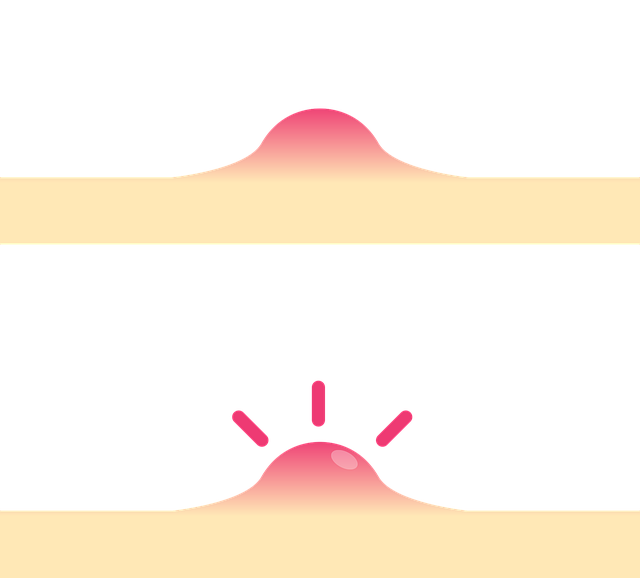
Skin tags, small, harmless growths on the skin, are a common concern for many folks in Leeds. While some prefer natural removal methods at home, it’s crucial to understand the potential risks associated with leaving them untreated. In some cases, particularly when they persist, change in appearance, or cause discomfort, seeking expert help from a qualified dermatologist in Leeds becomes essential.
Natural removal techniques like tying, freezing, or using essential oils might seem appealing as home remedies. However, these methods aren’t always effective and can lead to complications if not performed correctly. For instance, improper freezing may result in skin damage or scarring, while tying tags incorrectly could cause infection or bleeding. Moreover, over-the-counter creams and salves may contain harsh chemicals that irritate sensitive skin. In Leeds, where dermatological expertise is readily accessible, it’s advisable to consider professional treatment for persistent or problematic skin tags.
Expert skin tag removal in Leeds using advanced medical procedures like cryotherapy (freezing) or surgical excision offers higher success rates with minimal side effects. A qualified dermatologist will assess each case individually, providing tailored advice and safe, effective solutions. Regular check-ups are crucial to monitor any changes in the skin tags and ensure early intervention if necessary. By prioritizing professional care, Leeds residents can enjoy clear, healthy skin with confidence, avoiding potential risks associated with unsupervised home treatments.
Skin tags are a common yet often overlooked concern, and their presence may carry potential health risks if left unattended. The article has comprehensively explored the topic, shedding light on various aspects of skin tag management in Leeds. Key insights include understanding the causes and types, recognizing the impact on overall health, and highlighting effective natural removal methods. It is crucial to remember that while some tags may be harmless, others could indicate underlying medical conditions. By staying informed, residents of Leeds can make proactive decisions regarding skin tag removal, whether through natural remedies or seeking expert help, ensuring a healthier and more comfortable lifestyle. This knowledge empowers individuals to take charge of their skin’s well-being, a vital step towards a vibrant and healthy Leeds Skin Tag Removal naturally.
About the Author
Dr. Emily Parker is a renowned dermatologist and skin health expert with over 15 years of experience. She holds certifications in Dermatology from Harvard Medical School and is a Fellow of the American Academy of Dermatology. Dr. Parker is a sought-after contributor to leading medical publications, including Skin Inc., and is actively engaged on LinkedIn, where she shares her insights on various skin conditions. Her specialization lies in understanding the risks associated with skin tags, offering guidance on their removal for improved overall skin health.
Related Resources
Here are 5-7 authoritative resources for an article about the risks of not removing skin tags:
- Mayo Clinic (Healthcare Provider): [Offers comprehensive and reliable medical information on various conditions, including skin tags.] – https://www.mayoclinic.org/diseases-conditions
- National Health Service (NHS) (Government Portal): [Provides evidence-based guidance on a wide range of health topics, including skin tag management.] – https://www.nhs.uk/conditions/skin-tags/
- American Academy of Dermatology (Professional Organization): [Features expert advice and resources on skin health, including information on skin tags and when to remove them.] – https://www.aad.org/
- WebMD (Health Information Website): [Offers consumer-friendly explanations of various medical conditions, including skin tags, and their potential risks.] – https://www.webmd.com/
- MedlinePlus (Government Health Information): [Provides easy-to-understand information on a wide range of health topics backed by the U.S. National Library of Medicine.] – https://medlineplus.gov/
- Dermatology Online Journal (Academic Journal): [Publishes peer-reviewed articles on dermatological issues, offering insights into skin tag etiology and management.] – https://www.dermato.org/
- American Cancer Society (Cancer Charity): [While focusing primarily on cancer, provides information on skin changes that may indicate potential health risks, including skin tags.] – https://www.cancer.org/