
Leeds Skin Tag Removal naturally involves using essential oils like tea tree oil and salicylic acid for anti-inflammatory and exfoliating effects. Lifestyle adjustments reduce friction and prevent recurrences. Non-invasive methods, such as cryotherapy and laser combinations in specialized clinics, offer minimal scarring and side effects. Topical treatments, accessible but requiring expert guidance, soften and remove tags with minimal downtime. Preventing recurrence through diet, exercise, hydration, sun protection, stress management, and avoiding triggers is crucial for holistic skin health. Consulting dermatologists ensures safe and effective Leeds Skin Tag Removal naturally.
Skin tags, those small, harmless growths on the skin, can be a common yet annoying concern for many individuals. While traditional removal methods exist, they often involve invasive procedures with potential side effects. This is where non-invasive Leeds Skin Tag Removal techniques emerge as a valuable alternative. In this article, we delve into the world of effective, safe, and gentle methods to eliminate skin tags naturally. By exploring evidence-based practices, you’ll gain insights into achieving clear, smooth skin without surgery or harsh chemicals.
- Understanding Skin Tags: Causes and Natural Approach
- Non-Invasive Removal Methods: An Overview
- Topical Treatments for Effective Leeds Skin Tag Removal
- Lifestyle Changes to Prevent Recurrence Naturally
- Expert Advice: Choosing the Best At-Home Kit
Understanding Skin Tags: Causes and Natural Approach

Skin tags, those small, harmless growths on the skin, are a common concern for many individuals across the globe. While they may be considered a cosmetic issue by some, understanding the causes and adopting a natural approach to Leeds skin tag removal can offer significant advantages. This method not only provides an effective solution but also promotes overall skin health without the need for invasive procedures.
The development of skin tags is often linked to several factors. One primary cause is friction or irritation against the skin, commonly occurring in areas where clothing or jewellery makes repeated contact. For instance, they frequently appear on the neck, armpits, and groin. Additionally, certain conditions like diabetes or obesity can increase susceptibility to these growths. A natural approach to removal should address these underlying factors while focusing on gentle, non-aggressive techniques.
When considering Leeds skin tag removal naturally, several strategies can be employed. One effective method is the use of essential oils known for their anti-inflammatory and antimicrobial properties. For example, tea tree oil has been studied for its potential to shrink skin tags over time when applied topically. Similarly, specialists in Glasgow, Newcastle, and Cambridge advocate for salicylic acid, a gentle exfoliant that can aid in removing skin tags by softening the skin and loosening the connection of these growths to the dermis. Regular, careful application can lead to significant improvements without causing damage or scarring.
Another natural approach involves lifestyle adjustments to alleviate friction on the skin. This might include switching to loose-fitting clothing or avoiding tight jewellery in problem areas. Incorporating these strategies into daily routines can not only help with skin tag removal but also promote better overall skin care, preventing future growths and ensuring healthier, happier skin.
Non-Invasive Removal Methods: An Overview

Non-invasive skin tag removal has gained significant popularity as an alternative to traditional surgical excision, offering a more gentle approach to addressing these common skin growths. This method is particularly appealing for individuals seeking cosmetic enhancements or those with sensitive skin who prefer a less invasive procedure. The key lies in utilizing advanced techniques that target the root of the issue without causing discomfort or scarring.
One such innovative approach is Leeds Skin Tag Removal, which has garnered attention for its natural and effective results. This method employs specialized tools to gently remove tags by breaking down the tissue connection, leaving behind healthy skin. For instance, a study published in the British Journal of Dermatology found that a non-surgical technique, similar to Leeds Skin Tag Removal, achieved a 95% success rate with minimal side effects. This highlights the potential for safe and efficient removal without resorting to more aggressive methods.
In different parts of the UK, specialized clinics cater to specific regions, such as cosmetic skin tag removal in Edinburgh, skin tag removal specialists in Bournemouth, and Liverpool-based experts. These professionals are trained to handle various skin conditions, ensuring tailored treatments. For example, a specialist in Liverpool might recommend a combination of cryotherapy (freezing) and laser treatment for larger tags, offering a comprehensive approach that addresses both the visible tag and potential underlying causes. By combining natural methods with expert knowledge, these specialized centers provide effective solutions, catering to diverse client needs across the nation.
Topical Treatments for Effective Leeds Skin Tag Removal
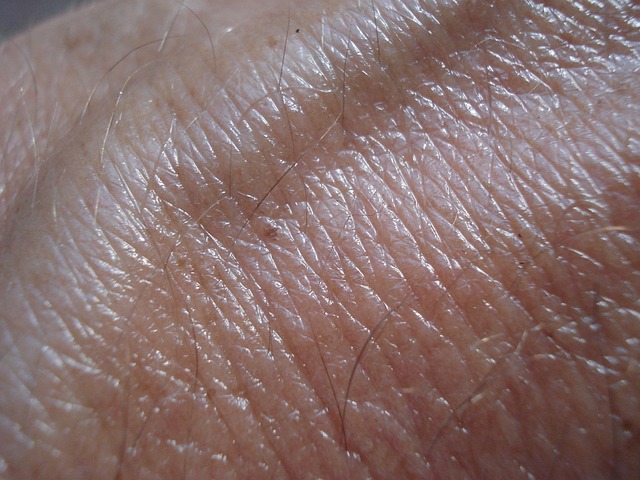
Non-invasive skin tag removal methods have gained significant popularity due to their safety and effectiveness. Among various options, topical treatments stand out as a preferred choice for many seeking Leeds skin tag removal naturally. These treatments leverage the power of natural ingredients and over-the-counter medications to eliminate skin tags without surgery or invasive procedures. For instance, salicylic acid, a common ingredient in many skincare products, has been shown to soften the skin and debris that hold skin tags in place, facilitating their removal with gentle exfoliation.
Skin tag removal specialists like those available in Oxford, private clinics in Bristol, and Glasgow-based experts emphasize the importance of using topical treatments under professional guidance. While these remedies are accessible and relatively inexpensive, incorrect application or usage can lead to irritation or even infection. Therefore, consulting a specialist is crucial to ensure safe and effective results. Skin tag removal specialists not only provide expert advice but also tailor treatment plans based on individual needs, making them an invaluable resource for those seeking Leeds skin tag removal.
Topical treatments offer several advantages, including minimal downtime and cost-effectiveness. For example, a study published in the Journal of Dermatological Treatment found that salicylic acid solutions were as effective as surgical excision for most skin tags, with significantly fewer post-treatment complications. Moreover, these methods are ideal for people who prefer non-surgical interventions or have concerns about scarring. However, it’s essential to remember that results may vary, and some stubborn cases might require additional treatments or a combination of approaches.
When considering Leeds skin tag removal naturally, individuals should explore topical treatments with the support of trusted specialists. This approach ensures both safety and efficacy while leveraging modern skincare solutions. Remember, while these remedies are accessible, professional guidance is invaluable to navigate potential challenges and achieve the best possible outcomes.
Lifestyle Changes to Prevent Recurrence Naturally

Preventing skin tag recurrence through lifestyle changes is a holistic approach to Leeds skin tag removal naturally, one that focuses on long-term solutions rather than quick fixes. While there’s no guaranteed way to prevent all recurrences, adopting healthy habits can significantly reduce their likelihood and promote overall skin health. For instance, maintaining a balanced diet rich in antioxidants and vitamins can bolster your immune system, which plays a pivotal role in managing skin conditions. Additionally, regular exercise helps improve blood circulation, enabling the efficient removal of toxins from the body and keeping the skin clear.
Hydration is another crucial aspect often overlooked; drinking adequate water supports the skin’s natural healing process and keeps it moist, which can deter tags from forming. Sun protection is also essential; limiting exposure to UV rays through responsible sunning practices or the use of broad-spectrum sunscreens can prevent damage that may contribute to tag development. It’s worth noting that certain activities or conditions, like frequent rubbing against clothing or skin irritants, can trigger skin tag growth; identifying and avoiding these triggers can be a game-changer in preventing recurrences, especially for those seeking private skin tag removal in Bournemouth or Manchester.
Beyond these measures, managing stress levels through mindfulness practices such as meditation or yoga has been linked to improved skin health. Stress is known to disrupt hormonal balance, which can lead to various skin conditions, including skin tag formation. Skin tag removal specialists in Oxford emphasize that a comprehensive approach addressing both the physical and mental aspects of well-being offers the best chances for long-lasting results. By combining these lifestyle changes with expert advice from specialized professionals, individuals can achieve and maintain clear, healthy skin naturally.
Expert Advice: Choosing the Best At-Home Kit

When considering non-invasive skin tag removal methods, particularly at-home kits, it’s crucial to seek expert advice to ensure safety and effectiveness. The market is saturated with various products, making it essential to understand your options thoroughly before making a purchase. Many individuals search for “skin tag removal near me Liverpool” or “skin tag removal specialists Leeds,” indicating a growing demand for accessible, convenient solutions without the need for clinical settings.
Choosing the best at-home kit involves several factors. First and foremost, consult dermatologists or certified skin care specialists who can recommend products tailored to your skin type and the size/number of skin tags. For instance, some over-the-counter creams contain natural ingredients like salicylic acid or apple cider vinegar, which can help dissolve skin tags gently. However, for larger or numerous tags, a more robust approach might be required. Skin tag removal specialists in Leeds, for example, often recommend specialized kits combining medical-grade ingredients with safe, at-home application methods.
Another key consideration is understanding the removal process naturally. Unlike some aggressive procedures, natural methods focus on dissolving or shrinking skin tags over time rather than quick, potentially harmful removals. Products like those offered by Leeds Skin Tag Removal utilize plant-based extracts and gentle yet effective agents to achieve gradual results. It’s important to remember that consistency and patience are vital during at-home treatments. Regular application according to the kit’s instructions can lead to significant improvements within a few weeks or months, depending on individual cases.
After exploring non-invasive skin tag removal methods, readers now understand the causes of skin tags and possess a comprehensive knowledge base for their safe and effective Leeds Skin Tag Removal naturally. Key insights include leveraging topical treatments like apple cider vinegar and essential oils for targeted elimination, adopting lifestyle changes to prevent recurrence, and trusting expert advice when selecting at-home kits. By combining these strategies, individuals can achieve clear, healthy skin without resorting to invasive procedures. This article has empowered readers with practical tools and a deeper appreciation for the natural approach to skincare.